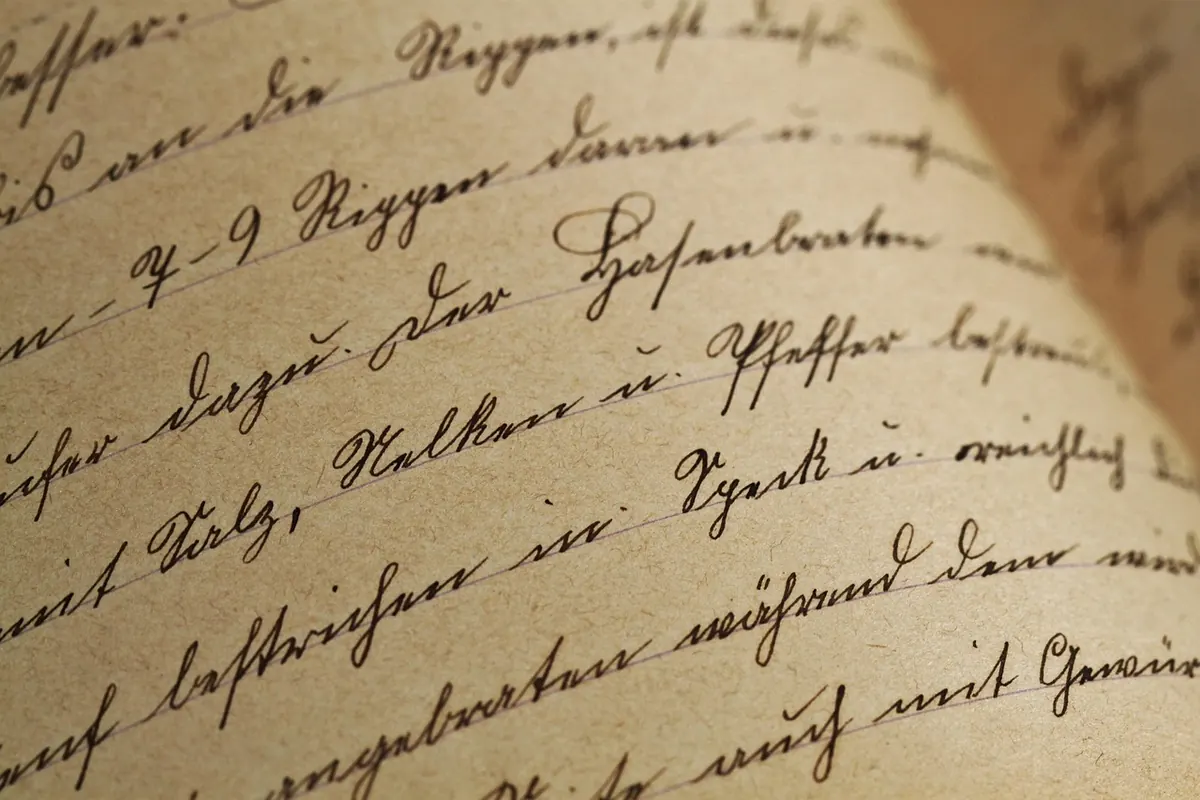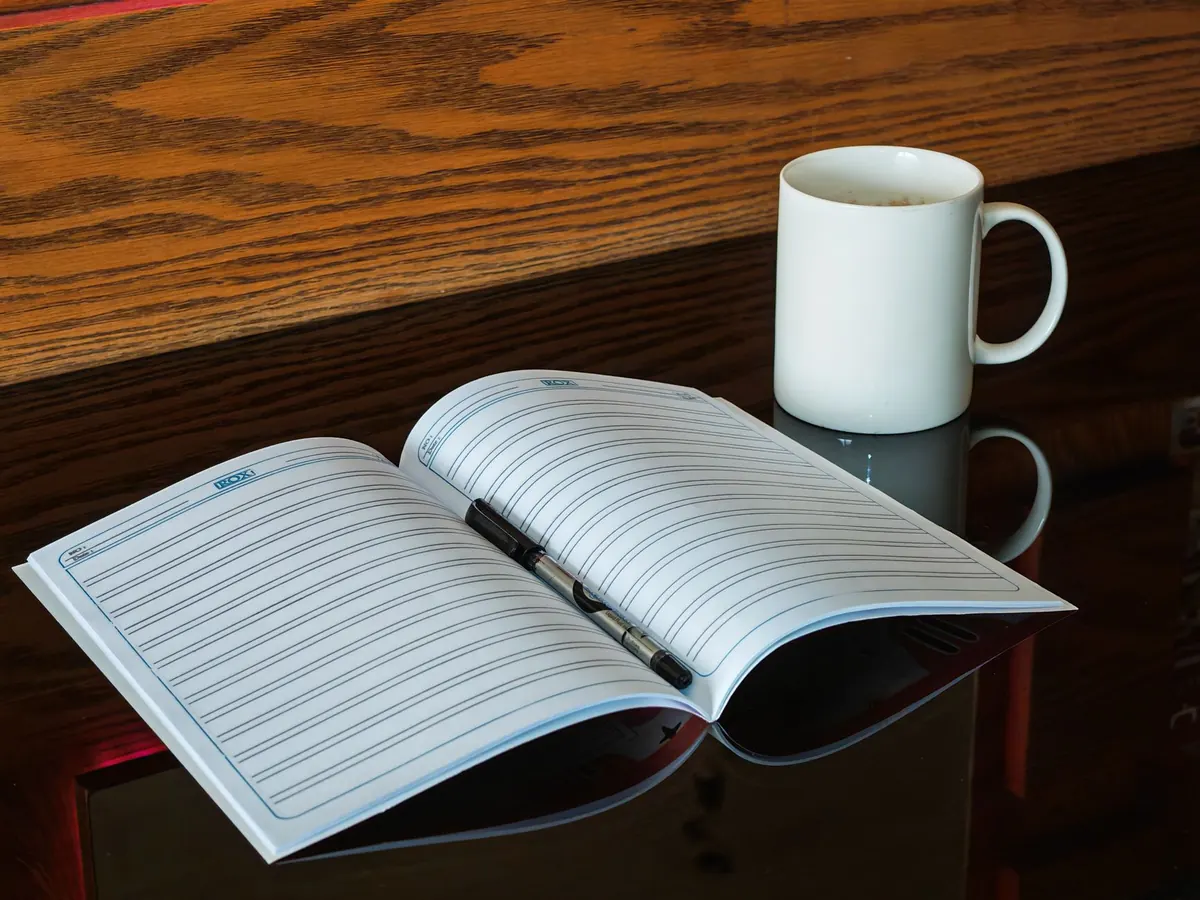
Most notebooks are abandoned in week two. The first entry is enthusiastic, the second is shorter, and by Thursday the book is under a pile of mail. That is rarely a discipline problem. It is usually a mismatch: the method asks for something your week cannot give. Three approaches account for most of the journaling people actually stick with, and they ask for very different things. Here is what each one involves, who it tends to suit, where it tends to break, and a cheap way to test them before you commit to any of them.
Three Methods, Three Different Jobs
Strip away the aesthetics and each method is a tool for a specific task. Bullet journaling is for deciding and tracking: it turns a swarm of commitments into a list you can act on. Morning pages are for emptying: they move looping thoughts out of your head and onto paper so the rest of the day has some room. A gratitude log is for aiming your attention: it trains you to notice what went right, in specifics, before the day closes.
That difference matters when you choose. If your problem is too many loose ends and no overview, you want the bullet journal. If your problem is mental static, a stalled project, or a head that will not quiet down, morning pages do more. If your problem is that every evening ends with an audit of what went wrong, a gratitude log is the shortest route.
Bullet Journaling: A System, Not a Diary
A bullet journal is a notebook used as a single place for tasks, events and notes. The mechanics are simple. You keep a running daily list, marking each item with a symbol — a dot for a task, a circle for an event, a dash for a note — and you move unfinished items forward rather than rewriting them. Once a month you make a page with the dates and the handful of things that genuinely matter that month. Once a week you spend ten minutes looking at what is still open.
The method rewards plainness. The version that survives is usually a cheap grid notebook, one pen and a five-minute Sunday review. The version that dies is the one with hand-drawn layouts, colour codes and a title page for every week, because the upkeep quietly becomes a hobby you do not have time for.
Who it suits
People with many small moving parts: freelancers juggling clients, students with overlapping deadlines, anyone currently keeping tasks in four places at once. It also suits people who like reviewing, because the weekly look-back is where most of the value sits. It suits you less if you already have a task system you trust, or if you know that fussy setup is exactly the thing that will make you quit.
Morning Pages: The Daily Clear-Out
Morning pages are three pages of longhand, stream-of-consciousness writing done first thing, before email or news. Nothing is planned, nothing is edited, and nobody reads it — the point is not a good page, it is an empty head. The practice was popularised by Julia Cameron in The Artist's Way, and the rules have stayed the same: keep the hand moving, do not stop to think, do not cross anything out.
Twenty to thirty minutes is realistic for three pages. That is a real cost, and it is the main reason people stop. If the full dose is too much, one page still works as a test; the habit matters more than the volume. Two tips: leave the notebook next to the kettle so it is the first thing you see, and do not reread the pages for the first month. They are not an archive, they are a drain.
Who it suits
Overthinkers, people working through a decision, writers stuck on a project, anyone who wakes up with the same thought loop they went to bed with. It suits you less if your mornings are genuinely chaotic — shift work, small children — though it can be moved later in the day at some cost. And if writing first thing leaves you more wound up than before, that is a signal to stop rather than push through.
Gratitude Logs: Small, Specific, Five Minutes
Three to five items at the end of the day, written as specifics. "Grateful for my family" is a placeholder. "The ten minutes my sister spent on the phone talking me out of a bad email" is an entry, because it brings the moment back, and the moment is what does the work. Aim for small and concrete: a good sandwich, a bus that came early, a colleague who covered for you without being asked.
The common failure is repetition. After three weeks the same five names appear and the practice becomes a signature at the bottom of a page. Two fixes: require one item a day to be new, or take a single thing and write two sentences about why it mattered.
It is a light method, which makes it the easiest of the three to keep and the easiest to do badly. One note worth making: if low mood has been hanging around for weeks rather than days, a notebook is a supplement, not a treatment. Worth talking to a doctor.
Side by Side
- Daily time: gratitude log, two to five minutes; bullet journal, five to ten once it is set up; morning pages, twenty to thirty.
- Setup: a gratitude log needs a pen. A bullet journal needs a notebook and about twenty minutes of setup each month. Morning pages need a notebook and a protected morning slot.
- What you get: an overview and fewer dropped commitments; a quieter head and a record of your own thinking; a shift in what you notice at the end of the day.
- Typical failure: the bullet journal collapses into decoration, morning pages get skipped precisely when you are busy, the gratitude log becomes a repeated list.
- Best for: busy people who need a system; overthinkers and blocked writers; anyone who wants a small habit they will actually keep.
How to Test Them in Six Weeks
- Run one at a time. Two weeks each, in any order. Doing all three at once tells you nothing except that your mornings are crowded.
- Use the cheapest notebook you own. A nice one makes you careful, and careful kills all three methods.
- Attach each to a trigger. Morning pages with the kettle, gratitude log with the last light going off, bullet journal review with Sunday coffee. A time with no trigger is a plan, not a habit.
- Set the bar low enough to clear. One page, three items, one weekly review. If you finish easily every day, raise it later.
- Judge by what you would miss. At the end of each fortnight, ask two questions: did I skip it, and did I notice? A method you keep forgetting is telling you something.
Keep the One You Would Notice Missing
These three are not rivals. Plenty of people end up with a bullet journal for the week and three lines of gratitude at night, or morning pages for a season and nothing else. What they share is the part that works: a fixed time, an ask small enough to meet, and a reason you can name out loud.
So do not research it further. Choose the method that matches the problem you have this month, give it two weeks in an ugly notebook, and watch what happens on the days you do not feel like it. That is the only comparison that counts.
Photo: Ylanite / Pixabay