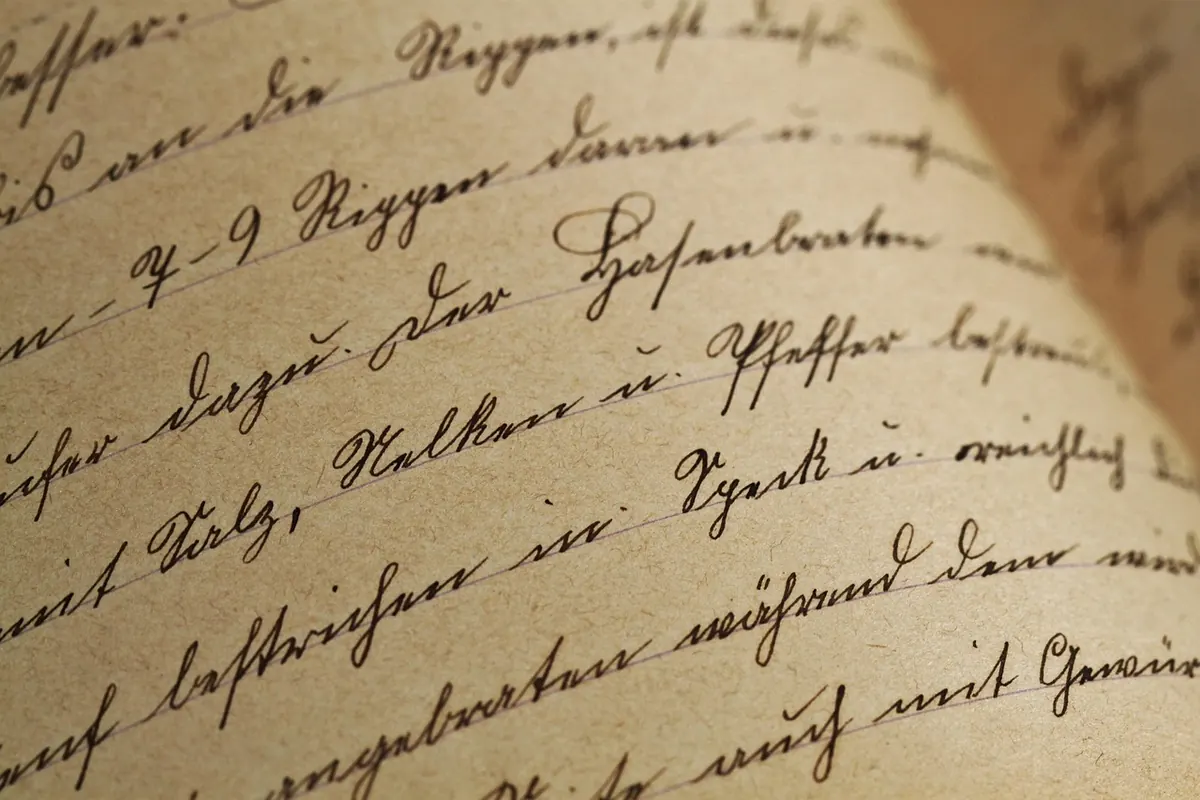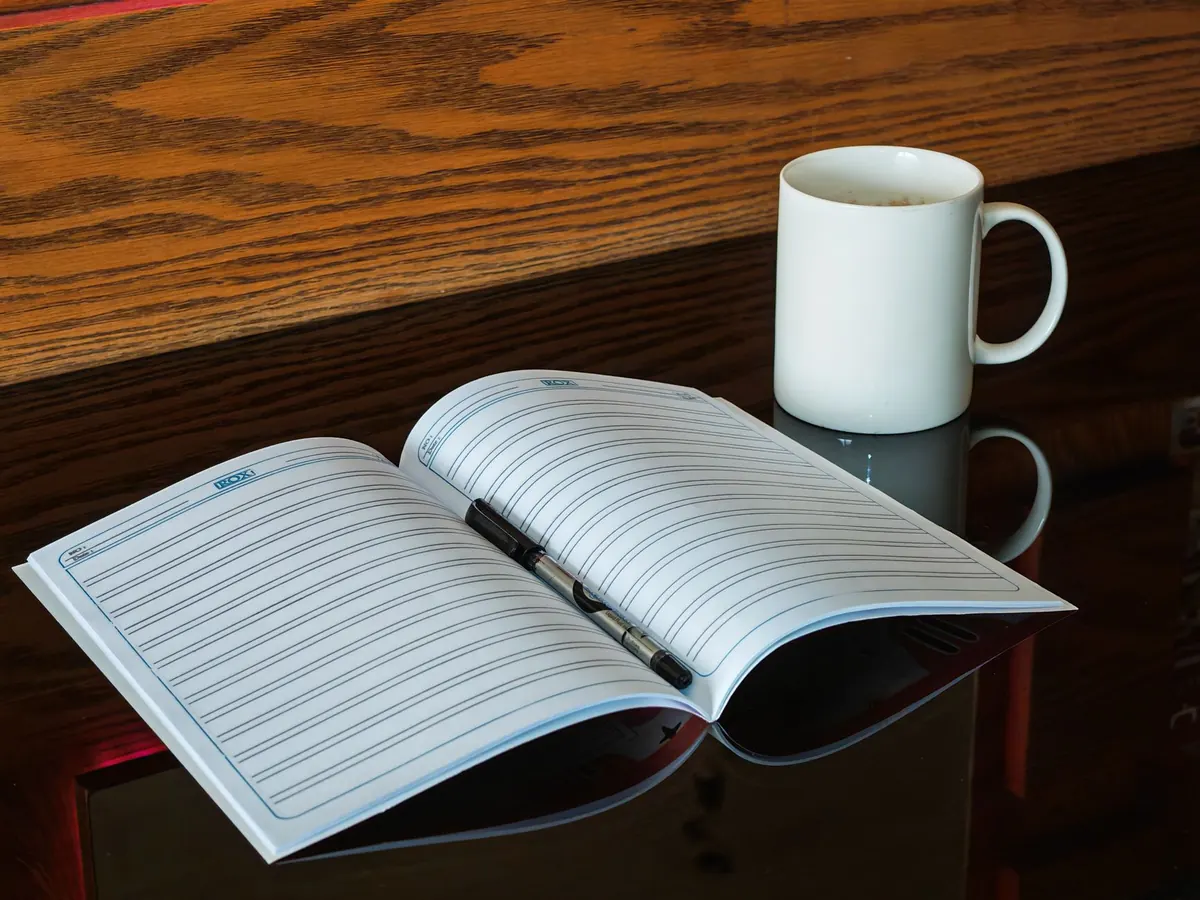
The best travel journal is rarely the most beautiful one. It is the one that comes home with you, half full, with a coffee ring on page nine and a bus ticket folded into the back cover. Keeping one takes about ten minutes a day and a willingness to write badly in public — on trains, in queues, on a hotel bed at midnight with the light from the corridor. What follows is a method for producing a journal you will still want to open in five years.
Choose a Notebook You Will Actually Carry
Weight decides everything. A heavy, cloth-bound tome feels wonderful in a shop and stays in the suitcase by day three. Look for something between A6 and A5, under 250 grams, with a cover that survives being shoved into a daypack next to a water bottle. Softcover notebooks lie flatter in a pocket; hardcovers survive rain better. An elastic closure is worth more than it sounds when you are writing on a moving ferry.
Paper matters more than design. If you use a fountain pen, test a page before you leave — thin paper feathers and bleeds, and a journal you cannot write in comfortably is a journal you will avoid. If you use pencil or ballpoint, almost anything works, and lighter paper keeps the weight down. Try carrying your candidate notebook for a week before your trip, in the bag you plan to take. If you notice it, it is too heavy.
A few small decisions at the start save annoyance later. Write your name and email inside the front cover. Leave the first two pages blank for an index you can fill in as you go — "Rome, 4–9 May, p. 12" — and number the pages if they are not already numbered. Choose lined, dotted or plain based on whether you actually sketch; most people who buy plain paper because it looks freer end up writing crooked and wishing for lines.
Pack a Kit That Fits in One Pocket
The kit should be small enough that you never debate whether to bring it. A single pouch, roughly the size of a glasses case, holds everything you need.
- One notebook, the one you tested, with your name inside.
- Two pens — a favourite and a cheap spare. Pens fail at the worst moments, usually on an overnight bus.
- A pencil for museum galleries and for sketching in the margins.
- A glue stick or a short strip of tape to fix tickets, stamps and receipts to the page. Tape is lighter; glue holds better.
- A small envelope or zip bag for the paper you collect but do not want to stick down yet: museum tickets, sugar packets, a leaf, a business card from a bookshop.
- Nothing else. Stamps, watercolour sets and washi tape collections are lovely at home and a burden on the road. Add one luxury, not five.
Your phone covers the rest. Photograph menus, timetables and signs you want to remember, then transcribe the two lines that matter into the notebook when you sit down. The photograph is an archive; the notebook is the memory.
Set a Ten-Minute Daily Rhythm
Most travel journals fail not from lack of interest but from an all-or-nothing idea of what an entry should be. Two short, repeatable moments do more than one ambitious evening session.
The morning minute
Before you leave the room, write three things: where you are, what you plan to do, and how you feel about it. One sentence each. This takes ninety seconds and becomes the spine of the day. "Woke at six to the sound of the market being set up. Plan: the church, then the long walk along the river. Nervous about the language." The nerves are often the part you will be glad to have written down.
The evening page
At night, write half a page without editing. Answer a few of these if you are stuck:
- What did I see today that I have never seen before?
- What did it smell or sound like — the street, the room, the food?
- Who did I talk to, and what did they say?
- What did I pay for coffee, a ticket, a meal? Numbers date a journal better than adjectives.
- What annoyed me, and was it worth being annoyed about?
Lists are the fastest way into a page. Lists of things eaten, words learned, dogs seen, tiles noticed, excuses overheard. A list of six items takes two minutes and holds a whole afternoon.
Catch the Details Before They Fade
Memory does not fail all at once. It loses specifics first: the name of the square, the colour of the door, the exact way the waiter said the specials. Write those things down while you are still standing in front of them, even as a scribble on a receipt.
Names are worth the trouble. Street names, café names, the name of the person at the desk who drew you a map. If you cannot spell it, write it as it sounds and add the letters you can read from a sign. Copy three words of the local language and what they mean. Note the weather, because weather is the scaffolding of memory: "cold, bright, the wind coming off the water" will bring back a morning more reliably than any description of a cathedral.
Then look for the three details that usually go unwritten. What the floor sounded like under your shoes. What you were carrying. The small thing that went wrong — the missed stop, the closed museum, the card that would not work — and how it resolved. A journal made only of highlights reads like a brochure. The flat tyre and the wrong turn are what make it yours.
If you only write one line a day, write the line you would otherwise forget by Friday.
When You Miss a Day, or Three
You will miss days. Do not try to reconstruct them from memory in detail; you will produce a polite summary that satisfies nobody, least of all you. Instead, write the date, three bullet points, and the phrase "this is all I remember". That honest gap is part of the record.
Physical evidence helps. Tape in the ticket from the train you cannot remember taking. Copy the receipt from the meal. Write down what you were reading, what song was stuck in your head, what the person in the next seat was doing. If the gap is a week long, sit down once with your photos and give each day a single sentence. Then carry on from today rather than trying to catch up.
Once You Are Home
Leave the journal out for a week after you land. On the first quiet evening, read it through with a pencil and fill the gaps: the name you could not spell, the word you meant to look up, the date you got wrong. Add a rough index to those first two pages, stick in the last of the loose paper, and write one final page under the heading "What I would do differently" — the walk you would take again, the thing you would skip, the day you would repeat exactly as it was.
Then put it on a shelf where you can see it, not in a box. Travel journals do their best work years later, when a single line about the heat or the noise brings back a whole afternoon. Ten minutes a day is a small price for that.
Photo: DariuszSankowski / Pixabay